Skip to content
Equipment

Everything you need, nothing you don't

There's a lot of tat sold to chilli growers. This page cuts through it - the actual kit worth owning, grouped in the order you'll need it, from germination through to preserving the glut. Sowing your first tray of seeds or kitting out for a serious season, you can jump straight to the bit you're at. Some of it's cheap-and-cheerful, some is a proper investment, and where something has a catch I've said so. These are tools I'd actually use, not a wall of links.

Affiliate

Some links on this page are affiliate links - if you buy through them I may earn a small commission, at no extra cost to you. As an Amazon Associate I earn from qualifying purchases. I only list kit I'd actually use myself.

Propagators & heat mats

Chillies need warmth to germinate - more than a chilly British spring tends to offer. A heated propagator gives your seeds the steady heat and humidity they want, and it's the difference between seeds that sprout in a week and seeds that just sit there sulking.

EarlyGrow Heated Medium Propagator (MPL50035/P)
The windowsill workhorse

EarlyGrow Heated Medium Propagator (MPL50035/P)

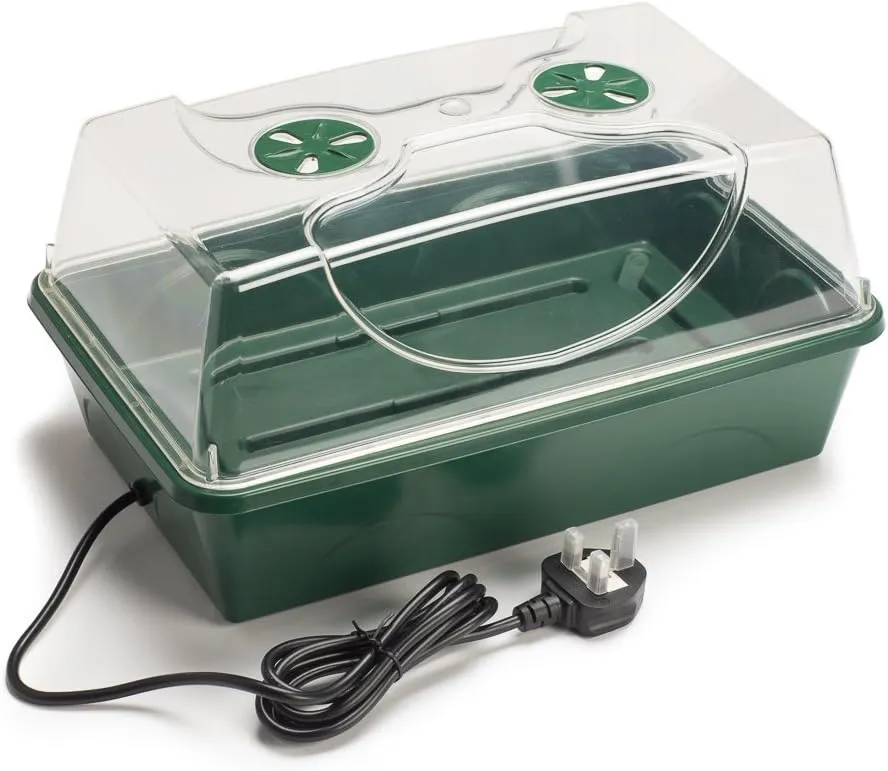
Chilli seeds are stubborn - they want steady warmth to wake up, and a cold spring windowsill rarely delivers it. A heated propagator solves that: gentle, consistent heat under the trays and trapped humidity beneath a clear lid - exactly the cosy microclimate a germinating chilli wants. This EarlyGrow is a proper windowsill workhorse: UK-made, shatter-resistant, with adjustable vents to clear excess condensation, and roomy enough for two seed trays side by side. The heat is gentle rather than tropical (around 16-21°C), so for the fussiest superhots you might pair it with a thermostatic heat mat to reach the 25-30°C sweet spot - but plenty of pepper growers germinate happily in one of these alone, often inside a week.
HBN Seedling Heat Mat (25 x 50cm)
Best value warmth

HBN Seedling Heat Mat (25 x 50cm)

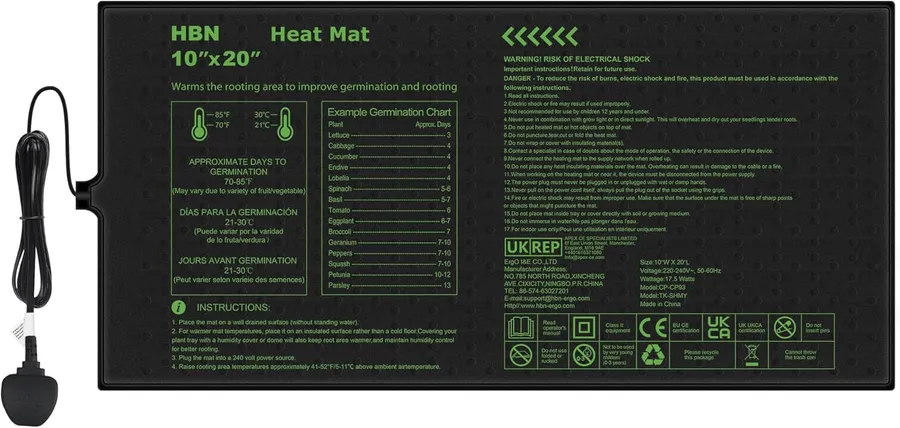
If a heated propagator runs a touch gentle for your superhots - or you're germinating on a cold windowsill - a heat mat is the cheapest way to get into the proper chilli sweet spot. This HBN mat sits at around 24-30°C, bang on what Capsicum chinense seeds want, and it's sized to slip under a standard seed tray (or tuck beneath a propagator for a double dose of warmth). At under fifteen quid it's brilliant value, and growers regularly report seeds breaking ground in two to three days. The one catch: this version has no thermostat, so it runs at a fixed output - fine for most setups, but if your room runs warm or you want precise control, HBN do a thermostat version for a few pounds more.

Compost & growing media

Get the growing medium right and half the battle's won. From a gentle seed compost for sowing to a richer mix for potting on - plus the perlite and grit that keep it all draining freely.

Jamieson Brothers Seed & Cutting Compost (60L)
The proper seed mix

Jamieson Brothers Seed & Cutting Compost (60L)

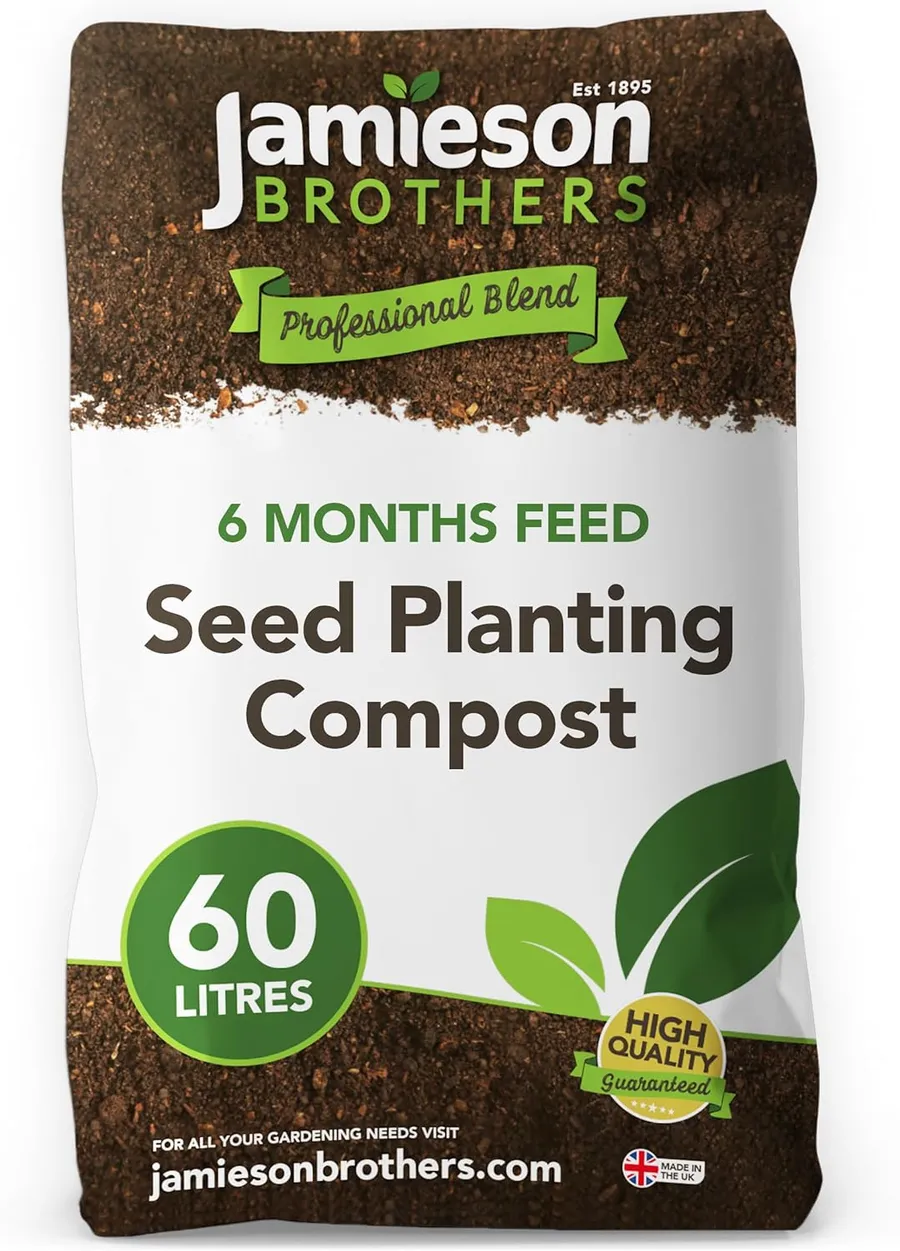
This is the bag to reach for at sowing time. Where a multipurpose compost is too coarse and rich for tiny chilli seeds, a dedicated seed compost like this Jamieson Brothers blend is fine, light and gentle - exactly what a germinating seed wants to push its first roots into. Growers rate it highly (4.5 stars across 700-odd reviews), and it's got enough feed built in to keep seedlings going for their first few months before you pot them on. A couple of honest notes: it holds moisture well, so go easy with the watering can to avoid waterlogging, and you may need to break up the odd lump. It's pricier than a multipurpose, but you sow into small amounts so a 60L bag goes a long way.

Dorman & Walsh Multipurpose Compost (60L)
Great-value all-rounder

Dorman & Walsh Multipurpose Compost (60L)

Once your chillies are past the seedling stage, they want a richer mix than seed compost to bulk up in - and a good multipurpose handles potting on and filling final containers. This Dorman & Walsh is a proper bargain at around £12 for 60 litres, with a fine, dark texture growers rate, and it's slow-release fed so plants get a steady supply as they grow. Two honest notes: multipurpose is best for potting on rather than sowing - tiny chilli seeds do better in a gentler, low-nutrient seed compost - and a few buyers warn this one can be a bit whiffy, so maybe not the bag you want open on the kitchen windowsill. For potting on and final pots, though, it's hard to beat for the money.

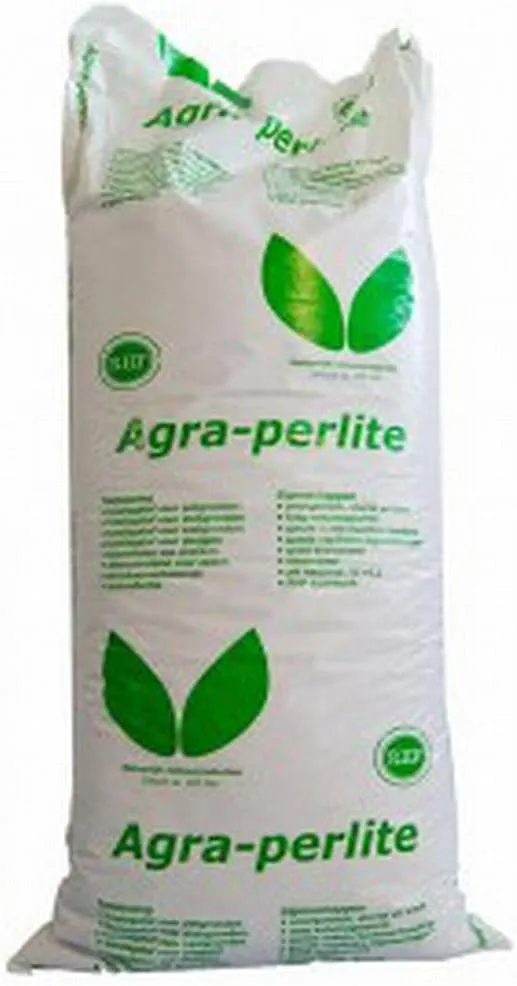
Horticultural Perlite (100L)
Drainage in a bag

Horticultural Perlite (100L)

Chillies hate sitting in soggy compost - waterlogged roots are a fast track to rot and sulking plants. Perlite is the cheap fix: these little volcanic-glass beads mix into your compost to open it up, improving drainage and getting air to the roots, exactly what container-grown chillies want. Stir a few generous handfuls through your potting mix (roughly 10-30%) for a lighter, better-draining medium that's much harder to overwater. At 100 litres this bag is huge - it'll last seasons - and works out brilliant value per litre. One tip from the reviews: it can be a touch dusty, so give it a light mist or wear a mask when mixing a big batch.

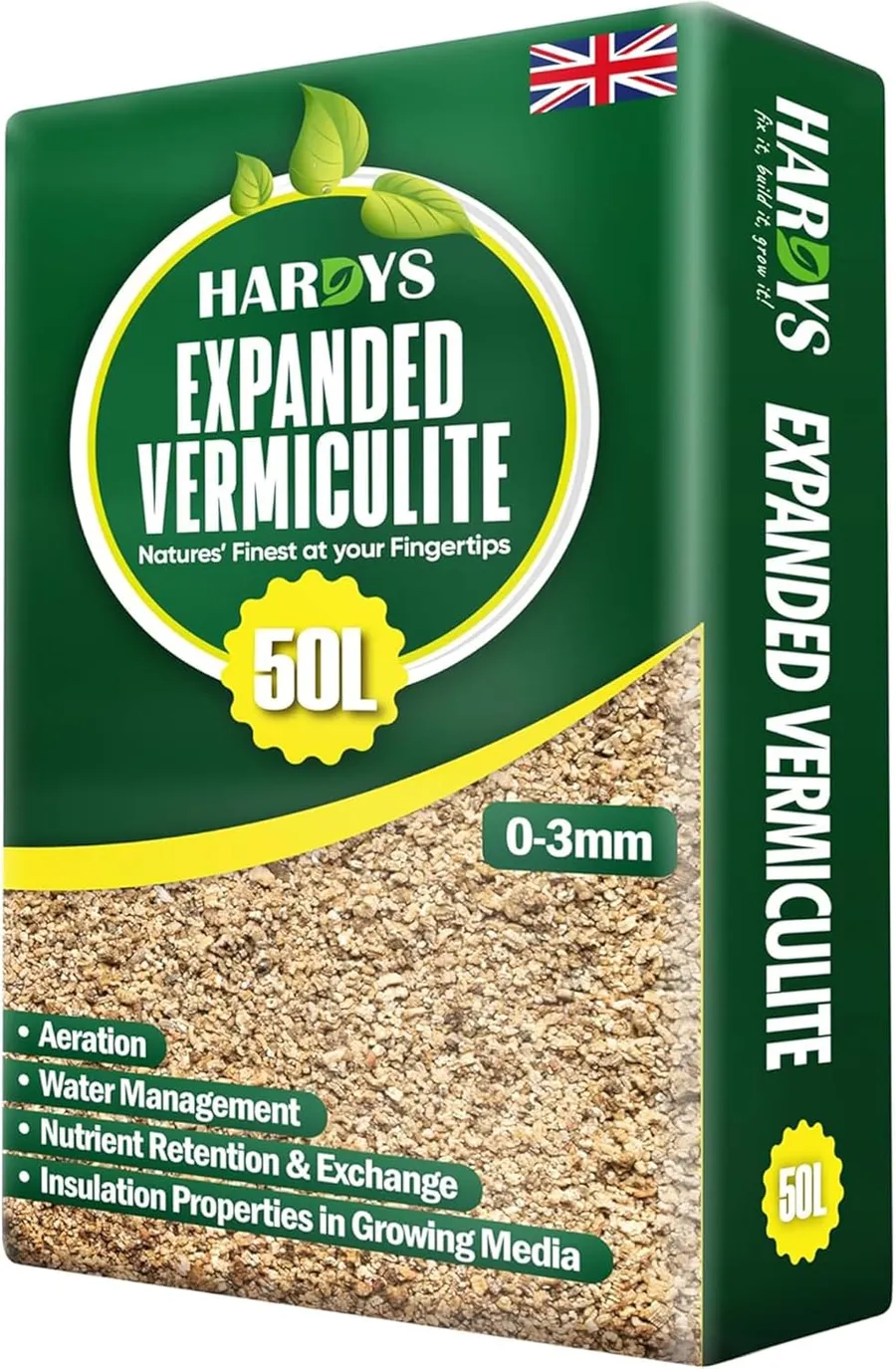
Hardys Vermiculite, Fine Grade (50L)
Perlite's other half

Hardys Vermiculite, Fine Grade (50L)

Vermiculite is perlite's natural partner - where perlite opens compost up for drainage, vermiculite does the opposite, holding onto moisture and nutrients and releasing them slowly. That makes it brilliant at sowing time: scatter a fine layer over your just-sown chilli seeds and it keeps them evenly moist through the slow week-or-three they take to germinate, without drying out or washing about. Mixed into seed or potting compost it does the same trick, steadying moisture so you're not forever topping up the watering can. This Hardys 50L bag is fine grade (0-3mm), ideal for seeds, and a genuine bargain next to the £10-for-10-litres garden centre price. Like perlite, it can throw off a little dust, so go gently tipping it out.

Grow lights

Your windowsill probably isn't enough - especially from January to March. A decent grow light is the single biggest upgrade you can make.

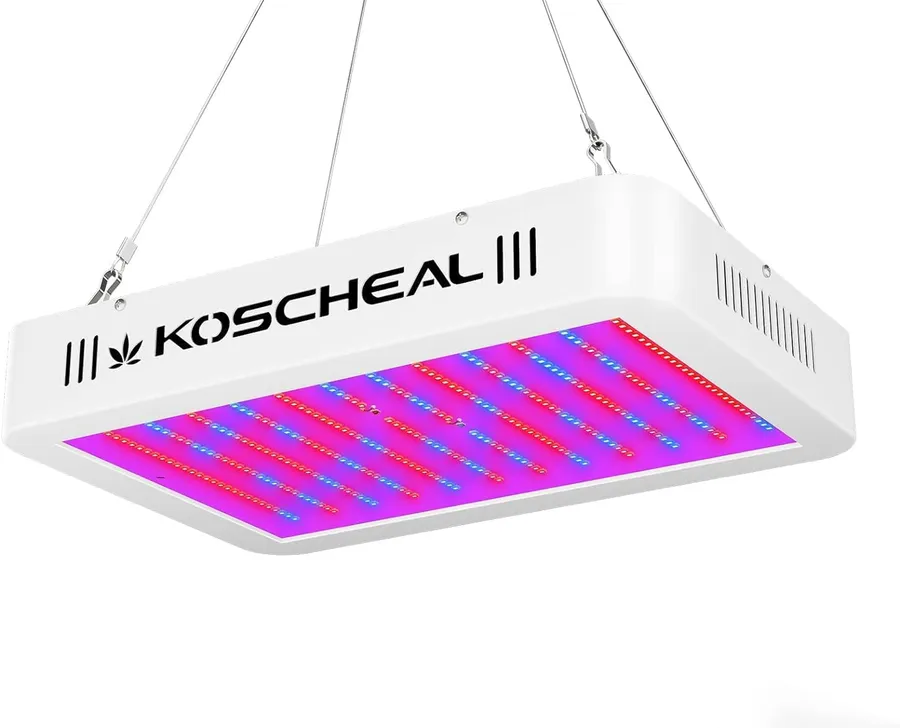
KOSCHEAL KS1200 LED Grow Light
Best for early sowings

KOSCHEAL KS1200 LED Grow Light

Sowing superhots in January? A windowsill won't cut it - British winter light is too weak and too short, and you'll end up with pale, leggy seedlings stretching for a sun that isn't there. A proper grow light is the fix, and the KS1200 is a solid one: efficient Samsung LM301B diodes, enough output to cover a full seed-starting setup (around 1.1 x 1.4m in veg), and no scorched leaves or frightening electricity bills. Pair it with a timer plug, give your seedlings 14-16 hours a day, and they'll come on strong and stocky - the difference between hoping and harvesting.

Pots & containers

Chillies move home a few times before they fruit - from seed tray, through a pot or two, into their final container. The right pot at each stage keeps roots happy and growth steady.

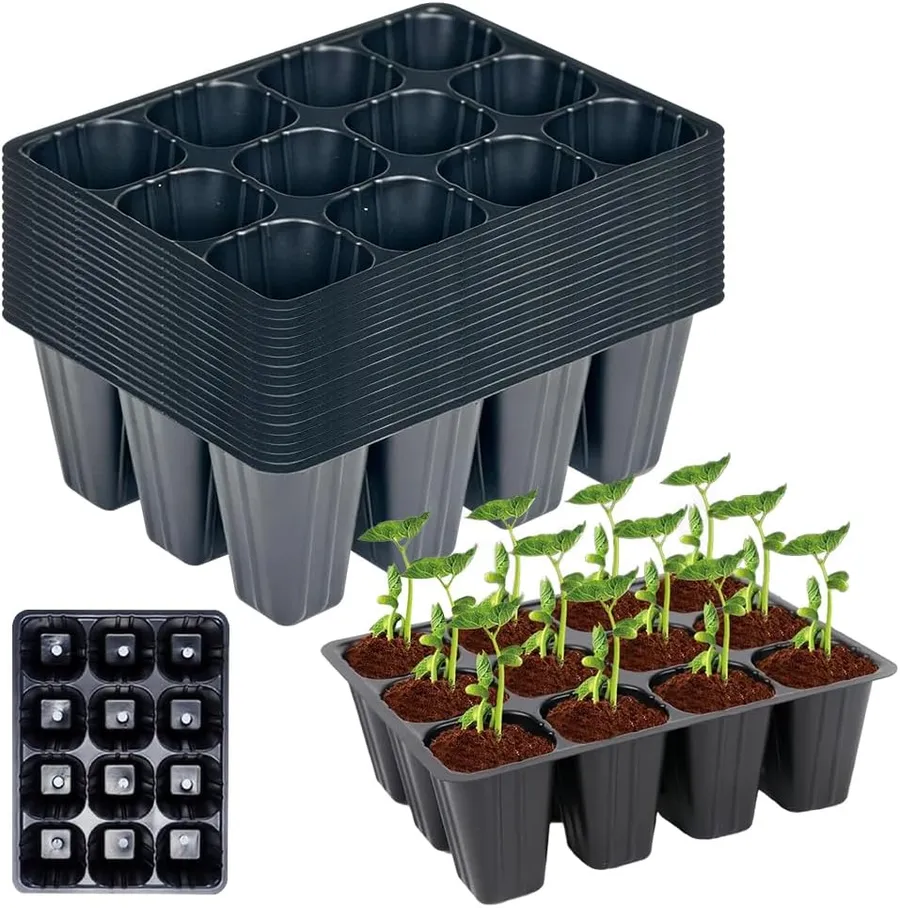
Hojalis Seedling Plug Trays (240 Cells, 20 Pack)
A cell per variety

Hojalis Seedling Plug Trays (240 Cells, 20 Pack)

If you grow more than one chilli variety - and let's be honest, you do - plug trays are how you keep them straight. Each seed gets its own cell, so roots stay separate and untangled, and when it's time to pot on you pop each seedling out with its plug intact and barely disturb it. This Hojalis set gives you 20 trays of 12 cells (240 in total), with drainage holes in every cell to stop things getting waterlogged. They're reusable season after season, so the cost per sowing is tiny. Two things worth knowing: they're tray inserts rather than a full kit, so sit them in a propagator or on a drip tray, and the cells are on the small side - fine for getting seeds up, but chillies will want potting on into something bigger before long.

Armo 10cm Plant Pots (100 Pack)
Pennies a pot

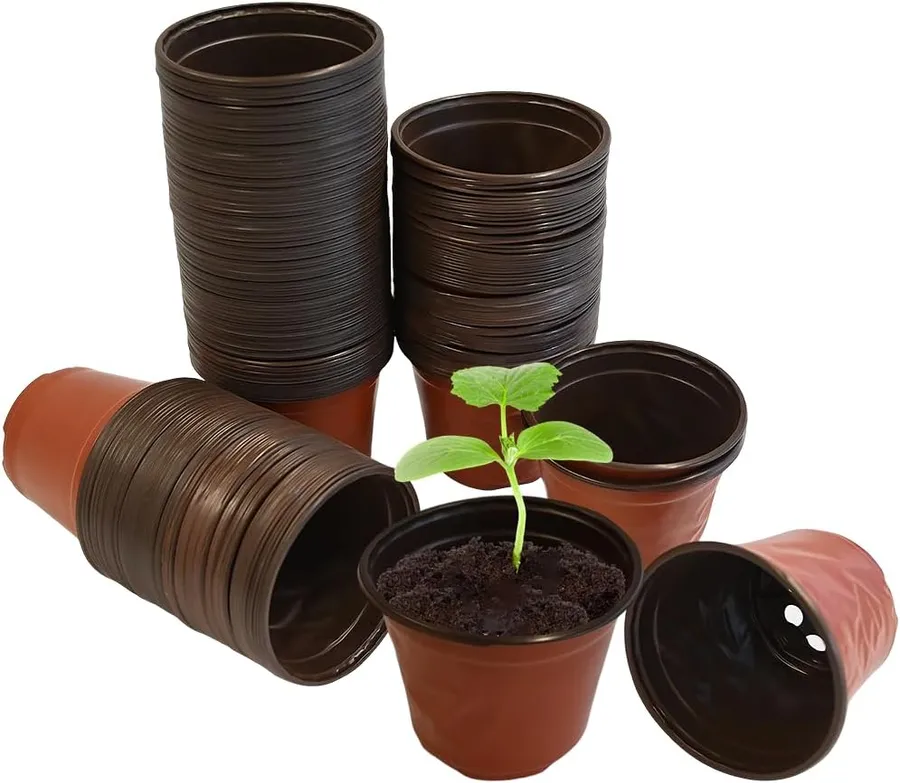
Armo 10cm Plant Pots (100 Pack)

Chillies don't stay in their seed trays for long - once they've got their first true leaves they want potting on into something roomier, and they'll usually graduate through a couple of pot sizes before their final home. A 10cm pot is the classic middle step. This 100-pack works out at around 8p a pot, about as cheap as potting on gets - handy when you've a windowsill full of seedlings all needing the same treatment. Fair warning: the plastic is thin and a bit flimsy, so treat them as reusable-for-a-season rather than buy-them-for-life. For the price, though, they do exactly what's needed to get young plants from tray to garden.

Ylluuoe Fabric Grow Bags, 10 Gallon (10 Pack)
The final home

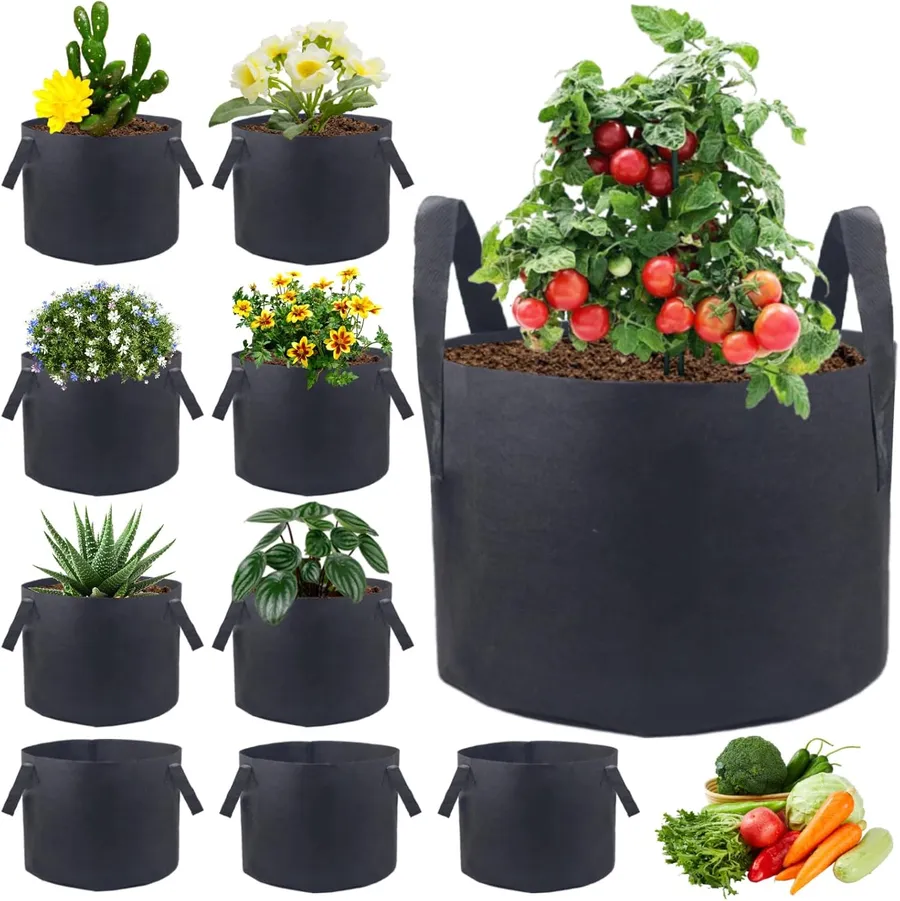
Ylluuoe Fabric Grow Bags, 10 Gallon (10 Pack)

Fabric pots are where a lot of growers end up for their chillies' final home, and for good reason. The breathable fabric air-prunes the roots - instead of circling the pot and strangling themselves, roots hit the air at the edge and branch back, giving a denser, healthier root ball and a stronger plant. Drainage is excellent too, so there's far less risk of the soggy roots chillies hate. These Ylluuoe bags come ten to a pack with sturdy sewn handles for shifting heavy plants about, and they fold flat to store over winter. Two honest notes: at 10 gallon they're generous - brilliant for a big, vigorous plant, though more compost than a single chilli strictly needs, so a smaller fabric pot is fine if you're tight on space or soil - and like all fabric pots they dry out faster than plastic, so keep the watering can handy in hot spells.

Feeding & nutrients

Chillies are hungry plants. Get the feeding right - balanced while they grow, potassium-rich once they fruit - and you'll be rewarded with stronger plants and a far heavier crop.

Chilli & Pepper Focus Feed (1L)
Made for chillies

Chilli & Pepper Focus Feed (1L)

Most plant feeds are generalists; this one's made specifically for chillies and peppers, which is why it's earned a cult following among UK growers (4.6 stars across 1,300+ reviews). Chillies feed in two phases - a balanced diet while they're building leaves and stems, then a potassium-rich one once they flower and set fruit - and Chilli Focus covers both, with added kelp seaweed extract to help plants shrug off stress. It's highly concentrated: this 1 litre bottle makes up to 200 litres of feed, so it'll see you through seasons. Dose at 5ml per litre weekly for young plants, stepping up to 10ml once flowering starts. Two honest notes: there's no measuring cap, so keep a teaspoon handy (5ml), and don't overdose - more isn't better, and you'll do more harm than good. A high-potassium tomato feed is a cheaper stand-in for the fruiting phase, but for a chilli-tuned feed across the whole season, this is the one - and the 1 litre is far better value than the small bottles.

Harvest & preserving

All that growing pays off in a glut of ripe pods - usually more than you can eat fresh. This is the kit for the home straight: drying, grinding and storing your harvest so it lasts well past the season.

MisterChef Food Dehydrator (5 Tray)
From glut to powder

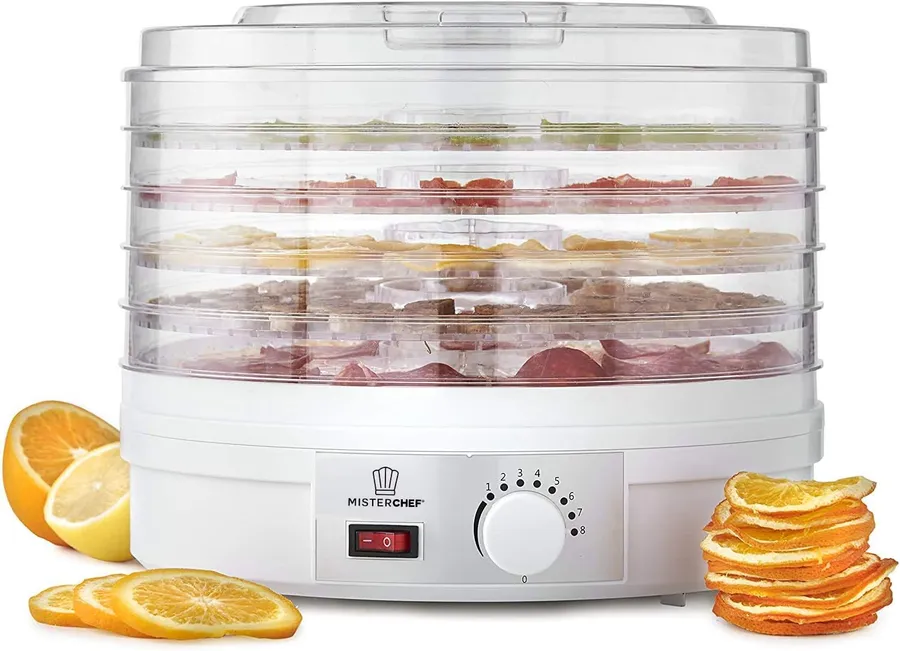
MisterChef Food Dehydrator (5 Tray)

Come late summer you'll have more ripe chillies than you can possibly eat fresh - and a dehydrator is the classic way to make the glut last. Dry them whole, crush them into flakes, or grind your own chilli powder that knocks the supermarket stuff into a cocked hat. You can air-dry or use the oven, but a dehydrator does it properly: low, even heat that pulls the moisture out without cooking the flavour away, and in a damp British autumn it sidesteps the mould you risk air-drying. This MisterChef is a solid entry-level machine - five trays, adjustable heat, brilliant value especially with the voucher. Honest notes: the dial is numbered rather than marked in °C (no great loss for chillies, which are forgiving to dry), and it's built to a budget rather than to last decades - if you're drying big harvests every year, a sturdier stainless model is worth the step up. For getting started, though, it's hard to argue with the price.

Timers & accessories

The bits that make the rest of your kit work harder. A timer to run your lights on a schedule, plus the odd gadget to keep an eye on conditions - small spends that quietly save you a lot of faff.

Double Dragon 24-Hour Mechanical Timer Plug
Set and forget

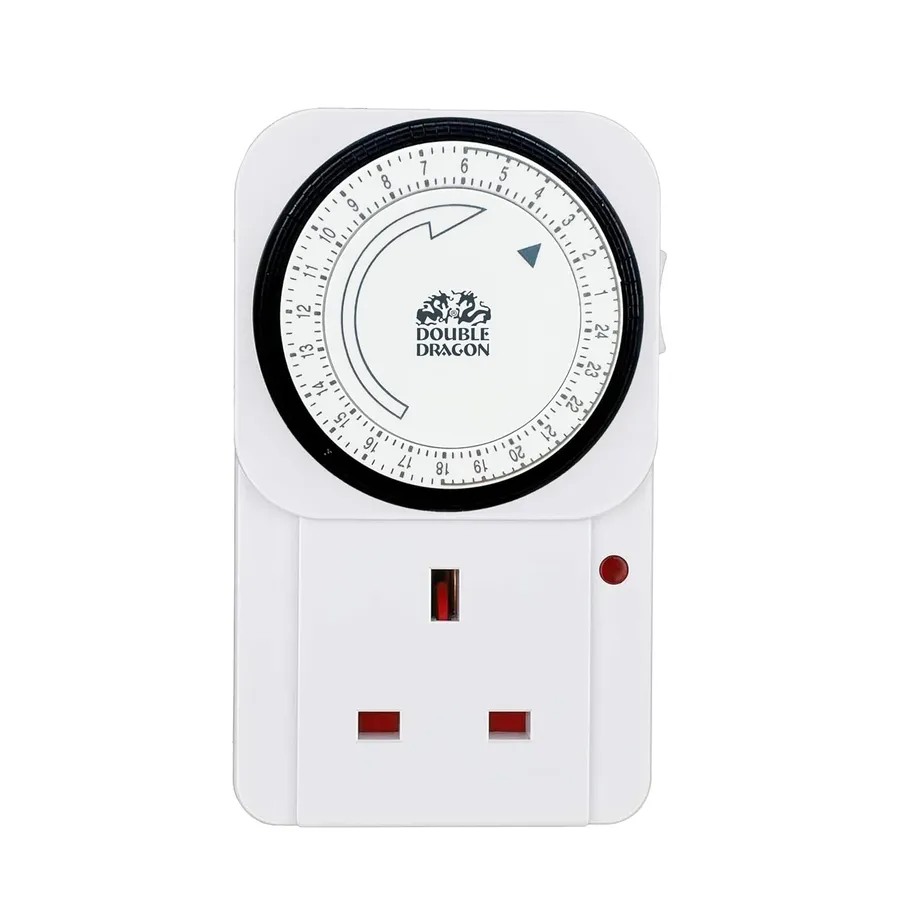
Double Dragon 24-Hour Mechanical Timer Plug

Seedlings want a consistent day length - 14 to 16 hours of light, every day, without you having to remember to flick a switch before the school run. A timer plug handles that: set it once and your grow light runs the same cycle daily, which makes for steadier, sturdier growth than haphazard on-when-you-remember lighting. This Double Dragon does the job for the price of a coffee - 24-hour dial, 15-minute segments, manual override, and it'll run any grow light or heat mat up to 3,120W without complaint. It's a basic mechanical timer, mind, so if you want programmable schedules or longer-term reliability, a digital version is a couple of quid more. For switching a light on and off each day, though, this is all you need.

KINGLAKE Plant Labels & Marker (100 Pack)
Know what's what

KINGLAKE Plant Labels & Marker (100 Pack)

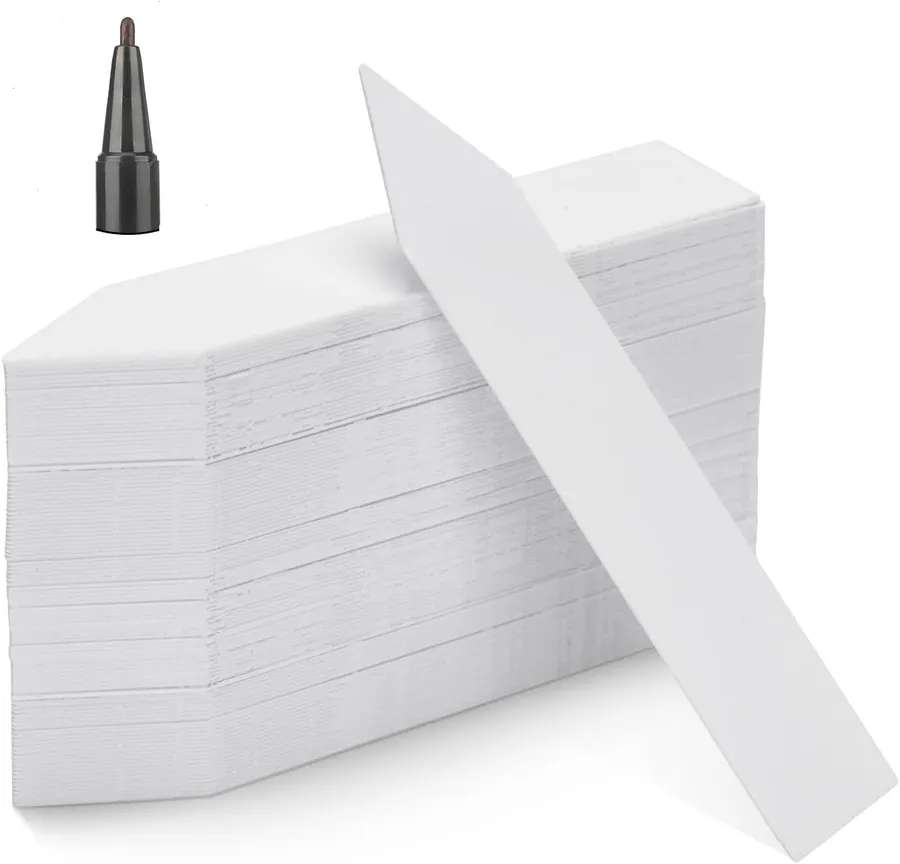
Sow three varieties and swear you'll remember which is which, and by April you're staring at four identical green seedlings with no idea what's what. Label everything - it's the cheapest habit in growing and it saves a lot of head-scratching come planting out. These KINGLAKE markers give you 100 reusable labels for about four quid, writable both sides, fine for pots, trays and the greenhouse. Two tips worth knowing: write in pencil rather than the bundled marker - pencil won't fade in sun or wash off in rain, whereas cheap markers often do by midsummer - and don't lean on them too hard going into firm ground, as the plastic's on the thin side. For keeping your varieties straight, they're a no-brainer.

Want the full system?

Seed to Spice

Seed to Spice covers exactly what to buy at three budget levels — £20, £50, and £100 — with the S.P.I.C.E. Method to tie it all together.

Join the Seed to Spice waitlist →